Growing Together is simple: you show up, you contribute, you learn, and you leave with a share of the harvest. The magic is that it is not a “pick up a box and go” experience. It is an on site rhythm where the work and the reward are shared by the people who are actually there that day.
Arriving on the farm
A shift starts with a quick check in and a plan for the day. Some weeks the focus is planting. Other weeks it is weeding, trellising, harvesting, or simple maintenance that keeps the growing space healthy and productive. You do not need experience. You need reliability and a willingness to participate.
Shifts happen in real farm conditions. Expect mud early in the season, there are mosquito’s too, in mid summer it will be hot, and cool mornings as fall approaches. Dress for the weather and plan to work outside.
The work, the learning, and the pace
The work is structured so you always know what to do next. When the weather is rough, tasks can shift indoors or into protected spaces so the time is still useful.
This model only works when people show up consistently. When you register for a shift, you are committing to that time for the season. If you miss a shift, the expectation is to make it up within the same week when possible so the group stays on track.
Harvest week is a turning point
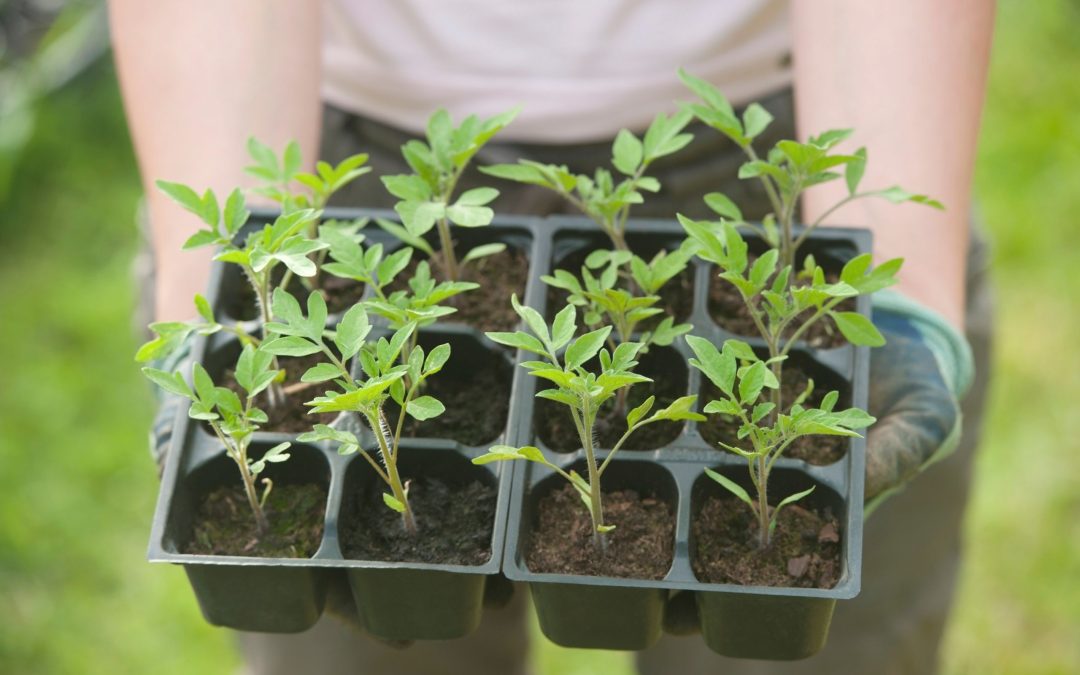
Early in the season, the first crops typically start becoming ready in late June. That is when the program becomes very real for participants. You begin leaving the farm with food you helped grow.
To make harvest smooth, everyone brings their own boxes or bags. There are also a few simple items that help organize and reduce waste during harvest and packing, including clean reusable containers, freezer bags, and elastics that can be reused week after week.
How the shared harvest works
The harvest is shared equally among the participants who show up for that shift. It is not based on who worked the hardest that day, who arrived first, or who knows the coordinators. The fairness is built in: participation equals access.
This is also why timing matters. Being on time protects the group’s ability to plan tasks, coordinate harvest, and ensure everyone leaves with what they came for.
Community standards matter
A shared model requires shared standards. The expectations are straightforward: respect others, follow instructions, prioritize safety on a working farm, and keep the space welcoming for everyone. If children are present, they must be supervised at all times.
What to bring each week
Here is the practical checklist that keeps shifts comfortable and harvest organized:
• Boots or footwear suited for mud early season
• Gloves and layers
• Hat, water, sunscreen, bug spray, snacks
• A box or bag for harvest
• A few clean reusable containers and freezer bags for packing and storage
Closing
If you want a farm experience that is real, social, and productive, this is it. You will learn by doing, contribute to something bigger than yourself, and bring home food that has a story attached to it.
Ready to join a shift? Complete your registration and choose your share size and preferred shift today.